

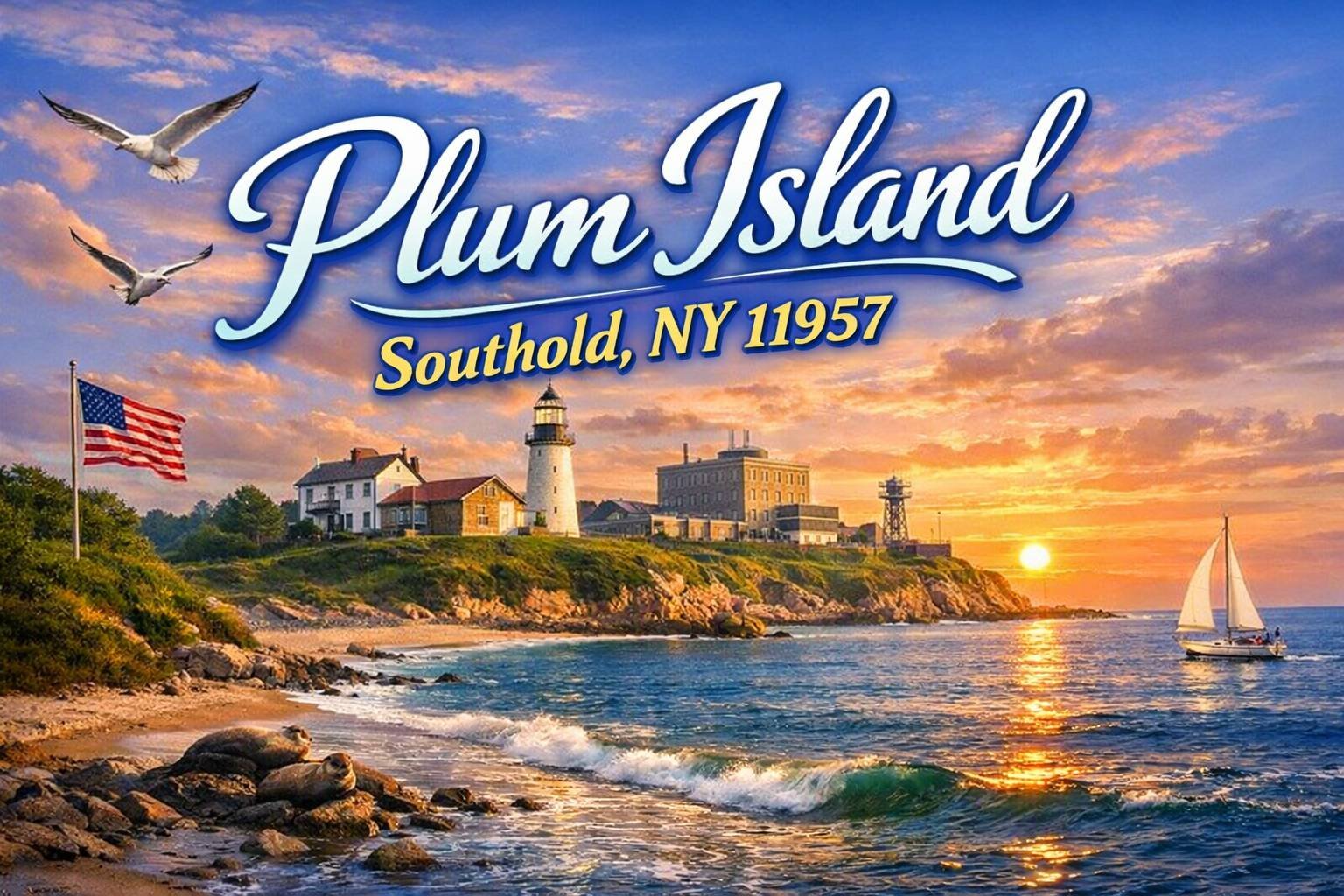
Plum Island Southold NY 11957 is one of the most intriguing and historically significant locations in the United States. Situated off the eastern tip of Long Island, this small island has attracted attention for decades due to its scientific research facilities, military past, restricted access, ecological importance, and ongoing debates about its future. Though largely inaccessible to the public, it remains a topic of fascination for historians, environmentalists, scientists, and curious readers alike.
This comprehensive guide explores every aspect of Plum Island Southold NY 11957, covering its geography, wildlife, federal research programs, controversies, and future prospects. Whether you are researching for educational purposes, seeking geographic insights, or writing informational content, this page provides an authoritative, detailed, and well-structured overview.
Geographic Overview
Plum Island is located in Suffolk County, New York, within the town of Southold. It lies in the waters where the Long Island Sound meets Gardiners Bay, just east of Orient Point on Long Island’s North Fork.
Key geographic facts:
- Area: about 840 acres
- Length: roughly 3 miles
- Width: about 1 mile at its widest point
- Distance from mainland: around 1.5 miles from Orient Point
- ZIP code: 11957
The island’s coastal climate is moderated by surrounding Atlantic waters, producing relatively mild seasonal changes compared to inland regions. Its location also makes it a natural barrier, protecting parts of Long Island from erosion and storm surges.
Natural Environment and Landscape
Despite its small size, Plum Island supports diverse ecosystems. The island contains coastal dunes, salt marshes, meadows, and patches of forest. Its restricted access has preserved these natural habitats, allowing wildlife populations to thrive with minimal human interference.
Environmental observers often describe the island as one of the most intact natural environments in the region. Surrounding waters host fish, shellfish, and crustaceans, while migratory birds frequently use the island as a resting stop. Although the island contains high-security research facilities, it has become an important refuge for birds such as ospreys, kestrels, and herons, demonstrating a unique blend of scientific and ecological significance.
Early History and Indigenous Presence
Before federal research laboratories existed, Plum Island was used seasonally by Native American tribes, particularly the Montaukett people. They visited the island for fishing, hunting, and gathering, though there is no evidence of permanent settlement. These early interactions highlight the island’s longstanding ecological value and strategic maritime location.
Military Era: Fort Terry
In the late 19th century, the U.S. government acquired Plum Island during the Spanish-American War to construct Fort Terry, a coastal defense installation. The fort served military functions through multiple activation periods before and after World War II.
During its operation, Fort Terry housed artillery batteries, barracks, and storage for munitions. In 1952, the Army Chemical Corps took control of the site, converting portions of the island for biological research related to livestock threats. Some historic structures from this era, originally designed for defense purposes, remain standing and illustrate the island’s military past.
Also Read: How to Avoid and Fix Platform Event Trap Effectively
Establishment of the Research Facility
Plum Island’s modern identity is closely tied to the Plum Island Animal Disease Center, established in 1954. This federal laboratory was created after disease outbreaks in North America highlighted the need for a secure facility to study contagious livestock illnesses.
The facility is operated by the U.S. Department of Homeland Security in partnership with the U.S. Department of Agriculture. Its mission is unique: it is the only laboratory in the United States authorized to handle live samples of certain highly contagious animal viruses, such as foot-and-mouth disease.
Mission of the Facility
The primary purpose of the Plum Island research center is to protect livestock and the agricultural economy from foreign animal diseases that could cause massive outbreaks. Its activities include:
- Vaccine research and development
- Diagnostic testing and surveillance
- Disease detection technologies
- Bioforensics research
- Training veterinary and laboratory professionals
Through these programs, the facility contributes to global food security and ensures that livestock populations are safeguarded from outbreaks that could devastate local and national economies.
Diseases Studied
Scientists at Plum Island study a wide range of foreign animal diseases, focusing on pathogens that are not present in the United States. These diseases can spread quickly among livestock and disrupt entire food supply chains if left unchecked.
The facility performs tens of thousands of diagnostic tests annually and utilizes high-containment laboratories designed to safely handle dangerous pathogens. This research is essential for preparing for potential outbreaks and developing treatments or vaccines that can prevent catastrophic losses.
Restricted Access and Security
One of the defining features of Plum Island Southold NY 11957 is its restricted access. The island is not open to tourists or the general public. Entry requires authorization, background checks, and federal transportation.
Security measures include controlled access points, surveillance systems, trained personnel, and strict biosecurity protocols. This isolation ensures the safety of researchers and prevents potential disease transmission to surrounding communities.
Ecological Importance
While a portion of the island is dedicated to research, most of Plum Island remains natural habitat. Its restricted access has allowed ecosystems to thrive, making the island a sanctuary for wildlife and rare plant species.
Environmental advocates argue that the island’s ecological value is as significant as its scientific importance. Migratory birds, marine life, and native flora all benefit from the minimal human disturbance, highlighting Plum Island’s dual role as a research hub and environmental refuge.
Cold War Research and Controversy
During the Cold War, Plum Island was involved in research related to anti-animal biological programs. This work continued until the U.S. government officially ended its offensive biological weapons program in 1969.
The secrecy surrounding these activities contributed to the island’s mysterious reputation. Over time, public interest in Plum Island has included curiosity about its research programs, government operations, and potential historical events.
Cultural References and Public Fascination
Plum Island has appeared in novels, documentaries, and media as a mysterious, off-limits location. Its restricted nature and scientific significance have made it the subject of speculation, conspiracy theories, and investigative reporting.
Despite popular myths, there is no evidence linking the island to health epidemics or secret government experiments beyond the officially recognized research on livestock diseases. The fascination persists due to the combination of mystery, history, and high-security research.
Current Developments and Future Plans
The federal government plans to relocate the Plum Island Animal Disease Center’s operations to a new, modern facility in Manhattan, Kansas. Once the relocation occurs, decisions will need to be made regarding the island’s future. Options under consideration include preservation as protected land, transfer to a state or federal conservation agency, or potential redevelopment.
Environmental groups have advocated for permanent protection to preserve the island’s unique ecosystems, emphasizing that its ecological and historical significance warrants careful stewardship.
Infrastructure and Facilities
Plum Island functions almost like a self-contained community. The island has its own power generation and water treatment facilities, fire safety services, and security operations. These capabilities are necessary due to its remote location and the sensitive nature of the research conducted on-site.
Scientific and Economic Importance
The research conducted at Plum Island has a significant impact on national and global agricultural security. Collaborations with universities, government agencies, and private industry allow for the development of vaccines, diagnostic tools, and emergency response plans. Protecting livestock from contagious diseases helps maintain stable food supplies and prevents severe economic consequences for farmers and agricultural industries.
Why the Island Remains Closed to the Public
Despite public curiosity, the island is closed to visitors because of:
- Strict biosecurity protocols
- Federal ownership
- Containment requirements for dangerous pathogens
- Protection of natural habitats
Personnel travel between the mainland and the island via secure transport, and public access is strictly prohibited to ensure safety and research integrity.
Wildlife Conservation Value
Even with its scientific purpose, Plum Island remains a natural sanctuary. Birds, marine life, and native plants flourish in its undisturbed environment. The island is a critical stopover for migratory species and supports biodiversity that is increasingly rare in heavily developed coastal areas. Conservationists continue to argue that the island’s environmental value should remain a priority in future planning.
Role in Veterinary Education
The facility also plays a critical role in veterinary training. Specialists from around the world have used the island to learn how to identify and respond to foreign animal disease outbreaks. This education strengthens global capabilities in disease management and biosecurity, further underscoring Plum Island’s international importance.
Scientific Safety Protocols
Strict safety protocols are in place to ensure that research activities do not threaten public health. These include controlled laboratory environments, specialized containment equipment, decontamination systems, and personal protective gear for all personnel. Such measures allow researchers to safely handle highly contagious diseases without risking accidental release.
Public Perception and Media Attention
The island occasionally appears in news reports, often tied to research updates, environmental discussions, or public curiosity about its restricted status. Incidents involving routine laboratory procedures can trigger media attention, fueling the ongoing fascination with Plum Island as a mysterious and significant site.
Strategic Importance
Plum Island’s offshore location is ideal for studying contagious livestock diseases that are prohibited on the mainland. Its geographic isolation provides natural containment, making it uniquely suited for research while protecting surrounding communities from accidental exposure.
Conclusion
Plum Island Southold NY 11957 is a rare combination of scientific research center, historical military site, and ecological sanctuary. Its strategic location, restricted access, and role in safeguarding livestock make it one of the most unusual and talked-about islands in the United States. From its early indigenous use to military history and modern disease prevention programs, the island reflects decades of progress in science, security, and environmental stewardship. Its future remains a topic of discussion, but its significance, both scientifically and ecologically, will continue to captivate researchers, historians, and curious minds alike.
Frequently Asked Questions (FAQs)
1. What is Plum Island Southold NY 11957 known for?
Plum Island Southold NY 11957 is primarily known for its federal research facility focused on studying foreign animal diseases and protecting livestock from outbreaks. It also has historical significance as a former military site and ecological importance as a natural habitat.
2. Can the public visit Plum Island?
No, the island is closed to the public. Only authorized personnel with special clearance can access the facilities due to strict biosecurity protocols and sensitive research.
3. What kind of research is conducted on Plum Island?
The island’s laboratory conducts research on contagious livestock diseases such as foot-and-mouth disease and African swine fever. The goal is to develop vaccines, diagnostic tools, and preventive measures for agricultural safety.
4. How large is Plum Island?
Plum Island covers about 840 acres and measures roughly 3 miles long by 1 mile wide, offering both research facilities and protected natural habitats.
5. What will happen to Plum Island in the future?
After relocating the research facility to a new location in Kansas, officials will decide whether to preserve the island as protected land, transfer it to a conservation agency, or consider redevelopment. Environmentalists advocate for conservation to maintain its unique ecosystems.