

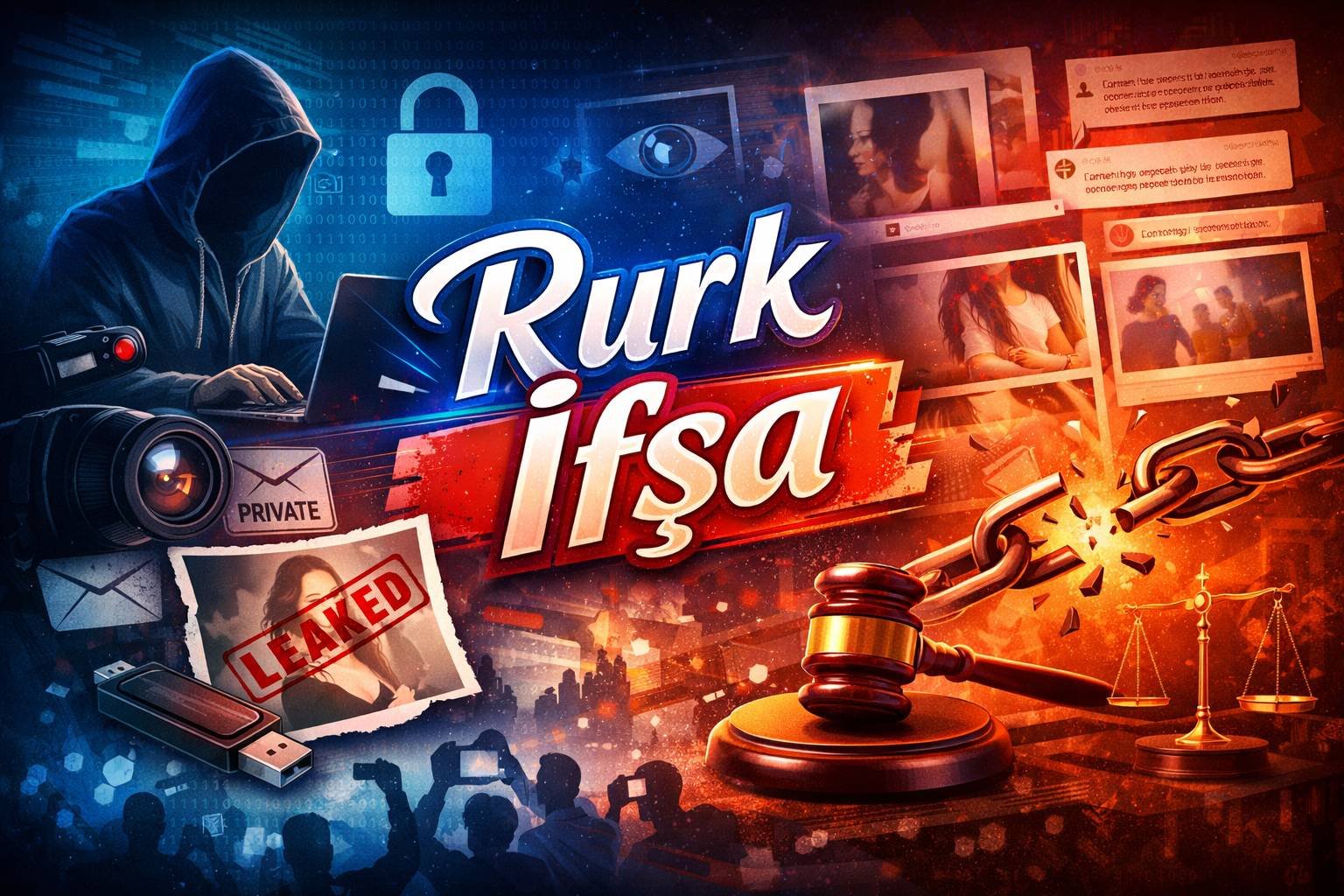
The term Rurk Ifşa is increasingly appearing in online searches, discussions, and social platforms. However, unlike standardized dictionary terms, it does not have a formally recognized definition in academic literature or established linguistic sources. To understand Rurk Ifşa, we must first explore the meaning of the word ifşa and then examine how it is used within digital culture, social media ecosystems, and online communities.
This in-depth guide explains the linguistic roots, modern usage, digital impact, legal implications, risks, ethical concerns, and protective measures surrounding Rurk Ifşa. The goal is to provide clarity, not speculation, and to offer responsible insight for readers of Tulu e Biz.
The Meaning of “Ifşa”
The Turkish word ifşa translates into English as:
- Disclosure
- Exposure
- Revelation
- Making hidden information public
Linguistically, the word does not carry an automatic negative meaning. In traditional contexts, ifşa could refer to:
- Revealing corruption
- Disclosing misconduct
- Publishing investigative findings
- Exposing unethical behavior
However, within contemporary online culture, the meaning has shifted in many cases. It often refers to exposure that involves:
- Private conversations
- Personal photographs
- Sensitive data
- Identity details
- Reputation-damaging information
The difference between ethical disclosure and harmful exposure is central to understanding Rurk Ifşa.
What Rurk Ifşa Represents in Digital Culture
There is no officially recognized institutional definition of Rurk Ifşa. It appears to be a search-driven phrase linked to online exposure practices. In many digital environments, it may refer to:
- Sharing personal material without consent
- Anonymous leak forums
- Reputation-based content attacks
- Online humiliation campaigns
- Viral exposure culture
The phrase itself reflects how language adapts within internet communities. As platforms expand and content spreads rapidly, new variations of exposure-related terminology emerge.
Evolution of Exposure From Traditional Media to Social Platforms
Exposure has existed long before the internet. However, digital transformation changed both its speed and scale.
| Period | Medium | Control | Intent | Impact Speed |
|---|---|---|---|---|
| Pre-Internet | Print newspapers | Editors | Public interest | Slow |
| Early Internet | Blogs, forums | Independent users | Mixed | Moderate |
| Social Media Expansion | Facebook, Twitter, Instagram | Anyone with an account | Attention-driven | Rapid |
| Messaging Platforms | Telegram, private groups | Anonymous administrators | Often exploitative | Instant |
Traditional exposure was filtered through editorial review. Digital exposure frequently bypasses professional gatekeeping, increasing the risk of harm.
Types of Exposure Commonly Linked to Ifşa Culture
Not all exposure is unethical. Some forms aim to protect society. Others harm individuals.
| Exposure Type | Description | Ethical Standing | Legal Risk |
|---|---|---|---|
| Investigative Disclosure | Revealing wrongdoing | Often justified | Low |
| Public Interest Reporting | Publishing verified misconduct | Legitimate | Low |
| Personal Data Leak | Sharing private details | Unethical | High |
| Intimate Content Sharing | Distribution without consent | Severe violation | Extremely High |
| Defamatory Allegations | Unverified claims | Harmful | Very High |
Understanding this classification clarifies where Rurk Ifşa is most frequently positioned within public conversations.
Legal Considerations Surrounding Exposure
Non-consensual exposure typically violates privacy regulations in many jurisdictions. Legal systems often address:
- Personal data protection
- Defamation laws
- Cyber harassment statutes
- Unauthorized content distribution
- Digital identity theft
Possible consequences include:
- Civil lawsuits
- Criminal charges
- Financial penalties
- Permanent online bans
- Reputational damage
Individuals sometimes underestimate the seriousness of distributing exposed material. Even resharing or forwarding content may carry legal implications.
Psychological and Social Consequences
The impact of exposure goes beyond legal consequences. Victims may experience:
- Emotional distress
- Anxiety disorders
- Social isolation
- Career disruption
- Public humiliation
The long-term digital footprint intensifies these consequences. Once material is shared, it can be:
- Screenshotted
- Archived
- Reposted
- Replicated across platforms
Complete removal becomes nearly impossible.
Why Exposure Content Spreads Rapidly
Several factors contribute to the rapid spread of exposure material:
- Curiosity-driven behavior
- Shock value
- Viral sharing algorithms
- Anonymous posting environments
- Weak moderation in private groups
These dynamics create a cycle where visibility increases engagement, regardless of ethical implications.
Ethical Dimensions of Digital Exposure
Ethical evaluation depends on five core elements:
| Ethical Factor | Question to Consider |
|---|---|
| Consent | Did the individual agree to publication? |
| Public Benefit | Does disclosure serve society? |
| Verification | Is the information accurate? |
| Harm Potential | Could it cause irreversible damage? |
| Intent | Is the purpose constructive or malicious? |
When exposure fails these tests, it shifts from accountability to exploitation.
Digital Permanence and Its Risks
One defining feature of modern exposure culture is permanence. Even if original posts are removed, copies may persist indefinitely.
Digital permanence creates:
- Ongoing psychological burden
- Continuous reputational damage
- Search engine visibility
- Barriers to employment
- Social stigma
This permanence transforms a momentary incident into a long-term consequence.
Comparing Ethical Whistleblowing and Harmful Exposure
| Criteria | Ethical Whistleblowing | Harmful Exposure |
|---|---|---|
| Motivation | Public safety | Personal revenge |
| Accuracy | Verified evidence | Often unverified |
| Legal Protection | Sometimes protected | Often illegal |
| Social Outcome | Reform or awareness | Damage and humiliation |
| Consent | Not always required if public interest | Typically violated |
Rurk Ifşa discussions frequently revolve around the second column in digital contexts.
Online Safety and Protective Measures
Individuals can reduce vulnerability by implementing protective practices.
| Safety Practice | Effectiveness | Practicality |
|---|---|---|
| Two-factor authentication | High | Easy |
| Privacy-controlled profiles | Moderate | Easy |
| Limited content sharing | High | Moderate |
| Secure cloud storage | Moderate | Easy |
| Awareness of legal rights | High | Moderate |
Digital awareness remains one of the strongest preventative tools.
Role of Platforms in Addressing Exposure
Technology companies hold partial responsibility in limiting harmful exposure by:
- Enforcing strict moderation policies
- Removing flagged content quickly
- Restricting repeat offenders
- Improving reporting systems
- Implementing proactive monitoring
The effectiveness of these measures directly influences the prevalence of exposure culture.
Cultural and Social Context
Different societies respond differently to exposure practices. Cultural norms influence:
- Tolerance levels
- Legal strictness
- Media framing
- Public reaction
In some environments, social shaming is normalized. In others, privacy is strongly protected by law.
Understanding these differences provides context for interpreting Rurk Ifşa discussions.
Risk Assessment Overview
| Risk Category | Probability | Severity | Long-Term Effect |
|---|---|---|---|
| Reputation Damage | High | Severe | Career disruption |
| Emotional Trauma | High | Severe | Mental health impact |
| Legal Liability | Moderate | Severe | Financial loss |
| Social Isolation | Moderate | Moderate | Community withdrawal |
| Ongoing Harassment | High | High | Continuous stress |
These risks illustrate why exposure culture cannot be treated casually.
Digital Literacy as Prevention
Improving digital literacy can significantly reduce harm. Education should focus on:
- Consent awareness
- Data privacy basics
- Responsible sharing behavior
- Recognizing exploitation tactics
- Reporting harmful content
Awareness reduces both victimization and participation in harmful exposure cycles.
Responsible Publishing Approach
Discussion about Rurk Ifşa should prioritize:
- Educational context
- Legal awareness
- Ethical analysis
- Preventative guidance
- Neutral, fact-based tone
Presenting balanced information helps audiences understand the broader societal implications without contributing to harmful dissemination.
If structured, research-driven content on sensitive digital issues is required, you can hire Techstudify Blogs for professionally developed analytical articles.
Final Perspective
Rurk Ifşa is not a formally defined linguistic or legal term. It reflects a modern digital environment in which exposure can occur instantly and globally. While exposure in the public interest can serve accountability and transparency, non-consensual exposure can cause lasting harm.
The responsible way to approach this subject is through awareness, education, legal understanding, and ethical reflection. As digital communication continues to expand, the importance of protecting privacy and maintaining accountability will only increase.
By examining the meaning, risks, legal implications, and preventative strategies associated with exposure culture, readers gain a comprehensive understanding of Rurk Ifşa within today’s interconnected world.